
繩流
8項哥本哈根繩流腳步練習 8 Copenhagen RopeFlow Footwork Exercises
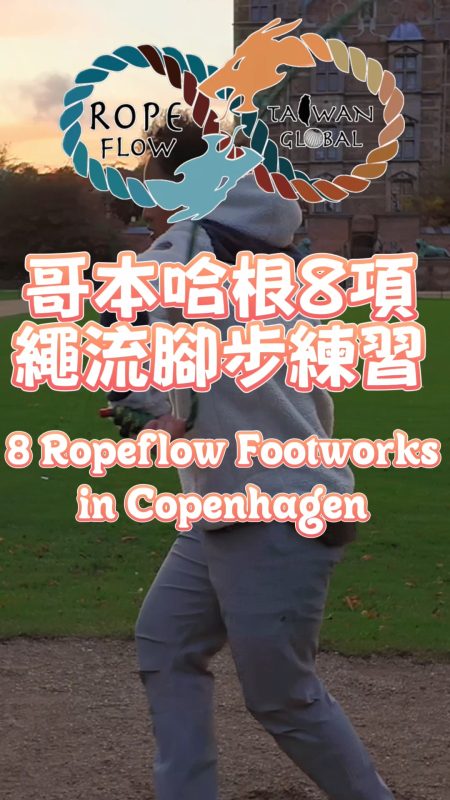
串招總是卡頓?一轉身繩子軌跡就飄掉?
Stuttering during transitions? Rope trajectory veering off the moment you turn?
問題可能不在你的雙手,而在你足部對地面與重心的控制及協調性
The issue might not be in your hands, but how your feet interact with the ground, manage your center of mass, and coordinate movement.
這次來到哥本哈根 Rosenborg Slot 城堡外的國王花園,帶大家一起嘗試 8 個繩流腳步練習
Filming from The King’s Garden outside Rosenborg Castle in Copenhagen to walk you through 8 essential Rope Flow footwork drills.
影片連結:8項哥本哈根繩流腳步練習 8 Copenhagen RopeFlow Footwork
為什麼轉身會「飄」?在「螺旋肌力系統」的運動控制模型中:
「螺旋動作」的產生=「方向意圖」+「旋轉意圖」的整合
Why does your turn lose control? Within the “Spiraling Strength System” motor control framework:
“Spiral movement” is born from integrating “Directional Intent” with “Rotational Intent”.
多數人轉向失控,是因為身體啟動旋轉意圖,但卻遺漏了(尤其腳尖錨定的)「方向意圖」,同樣在地雷管訓練中我也很常見到足部的失控
Most people lose control because they initiate the rotation while completely neglecting the directional anchor of the toes. I see this exact foot breakdown happen all the time in landmine training as well.
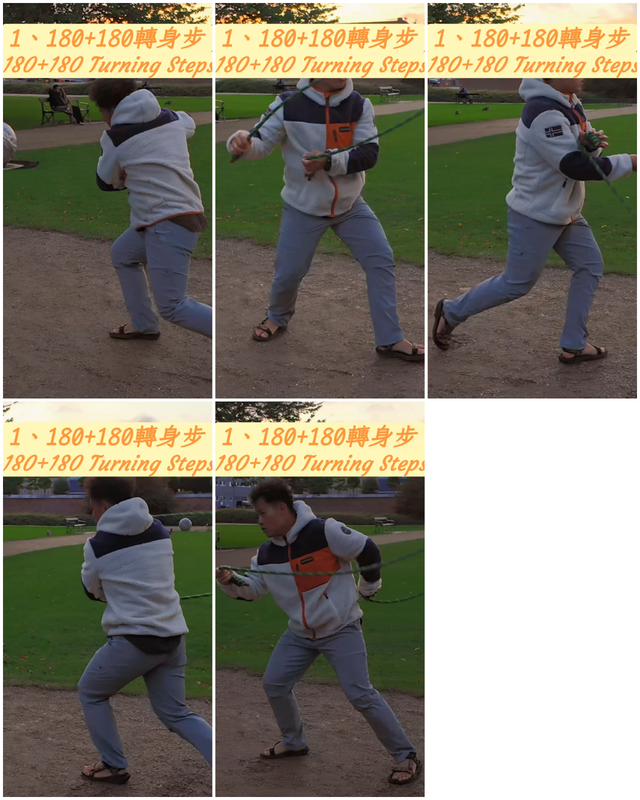
全身轉向發起前,足尖必須先鎖定下一個運動方向(pre-pivot),為關節預留轉動餘裕,避免旋轉力矩傳上去身體空間不夠用,只能多踏一步來穩定
Before launching a full-body turn, your toes must pre-pivot toward the next vector. This creates joint rotational clearance, preventing rotational torque from running out of room up the kinetic chain and forcing an awkward extra step to regain balance.
因此必須建立精準的「足部本體覺 × 方向覺」,大腦才能在動態中精準預判重心落點,動中覺察 越細膩,動作就越流暢
Building sharp “foot proprioception integrated with directional spatial awareness” allows the brain to anticipate center-of-mass shifts in real time. The finer your #DynamicAwareness, the smoother your flow becomes.
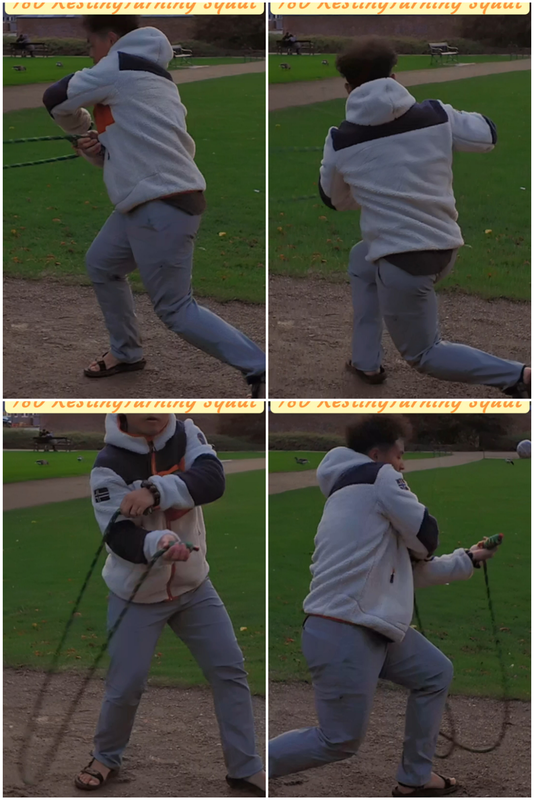
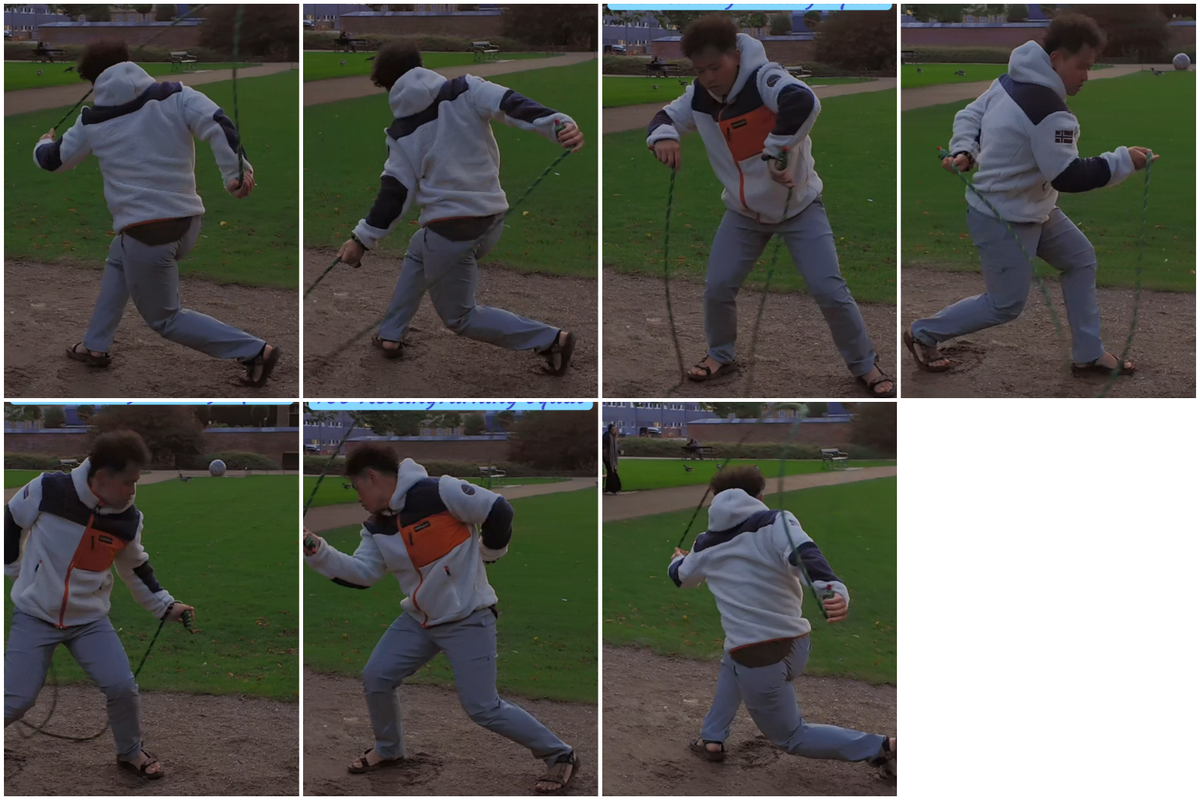
這支影片展示了 8 個常見步法,其中我想特別介紹「歇步轉身」,這是中華傳統武術與現代競技武術中極具代表的螺旋動作,藉由雙腳掌的軸心碾轉配合全身旋轉,最後沉降定勢
This video highlights 8 common footwork patterns. I want to spotlight “Resting Turning Squat)—an iconic spiral pattern from traditional and contemporary Chinese martial arts. It harnesses dual-foot pivoting synchronized with full-body rotation, culminating in a rooted, sinking deceleration.
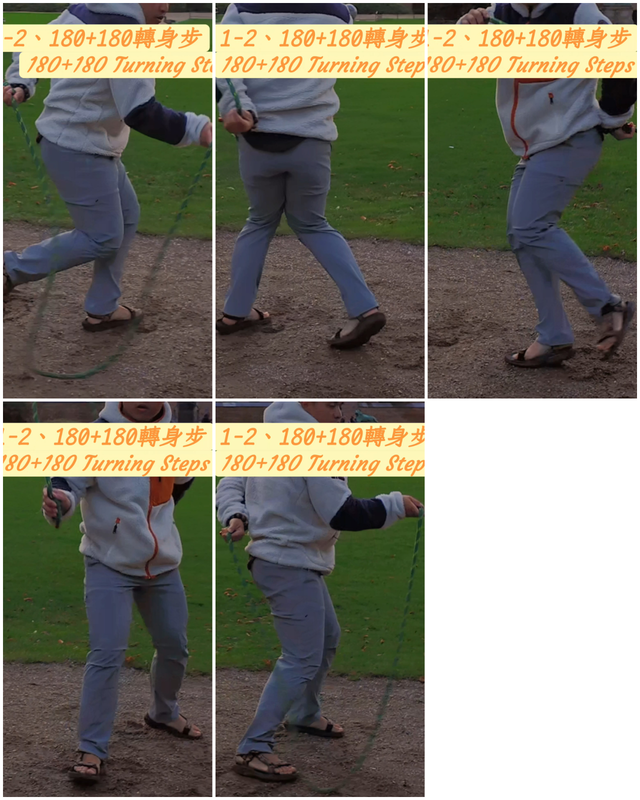
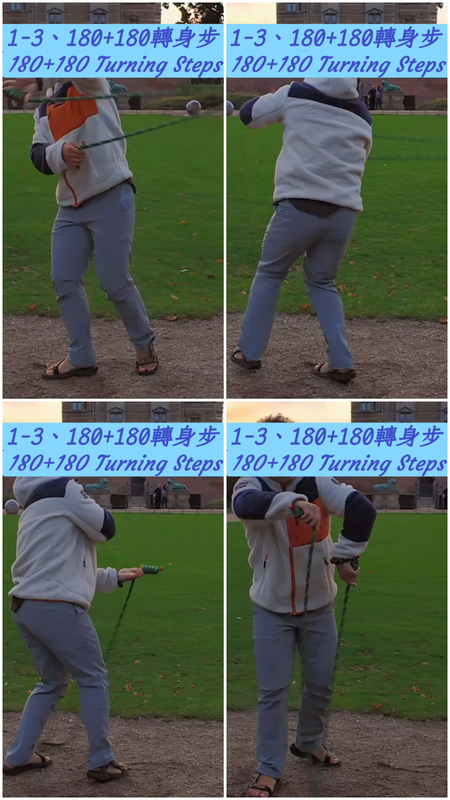
一、180+180轉身步 180+180 Turning Steps
二、同側換步 Untwisted Switch Steps
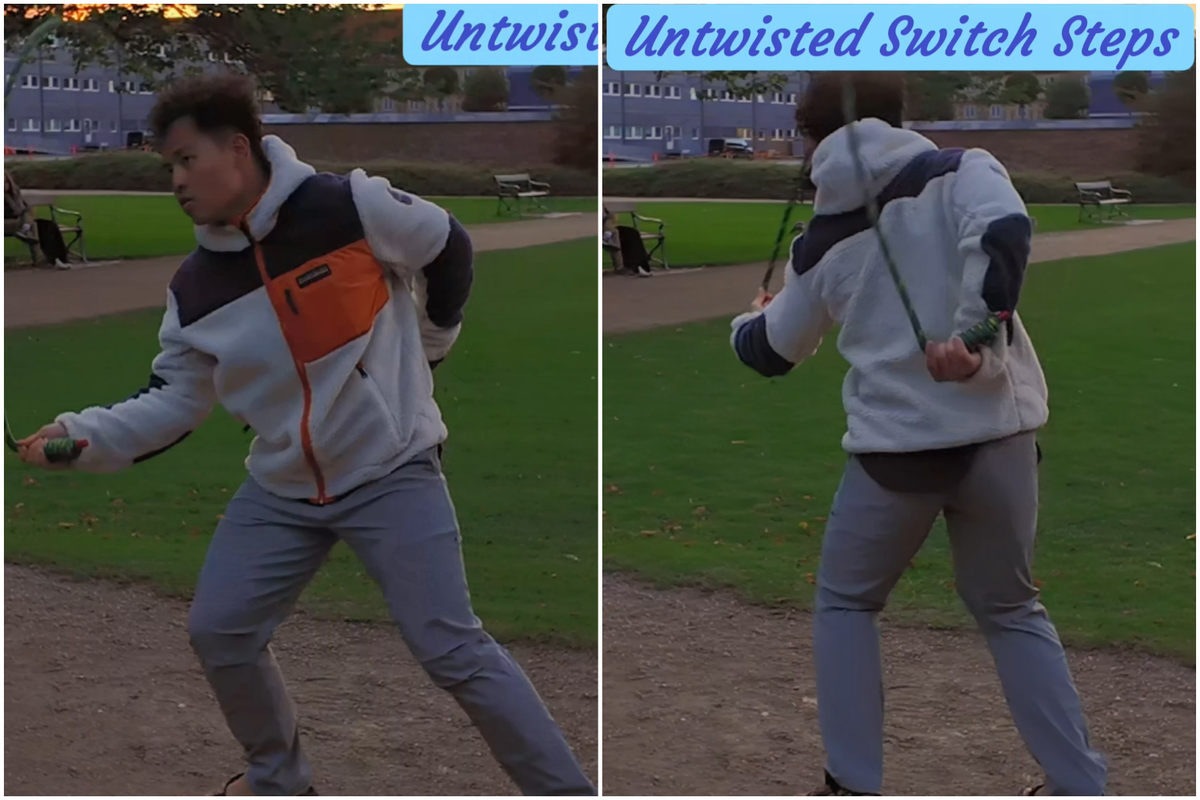
三、對側換步 Twisted Switch Steps
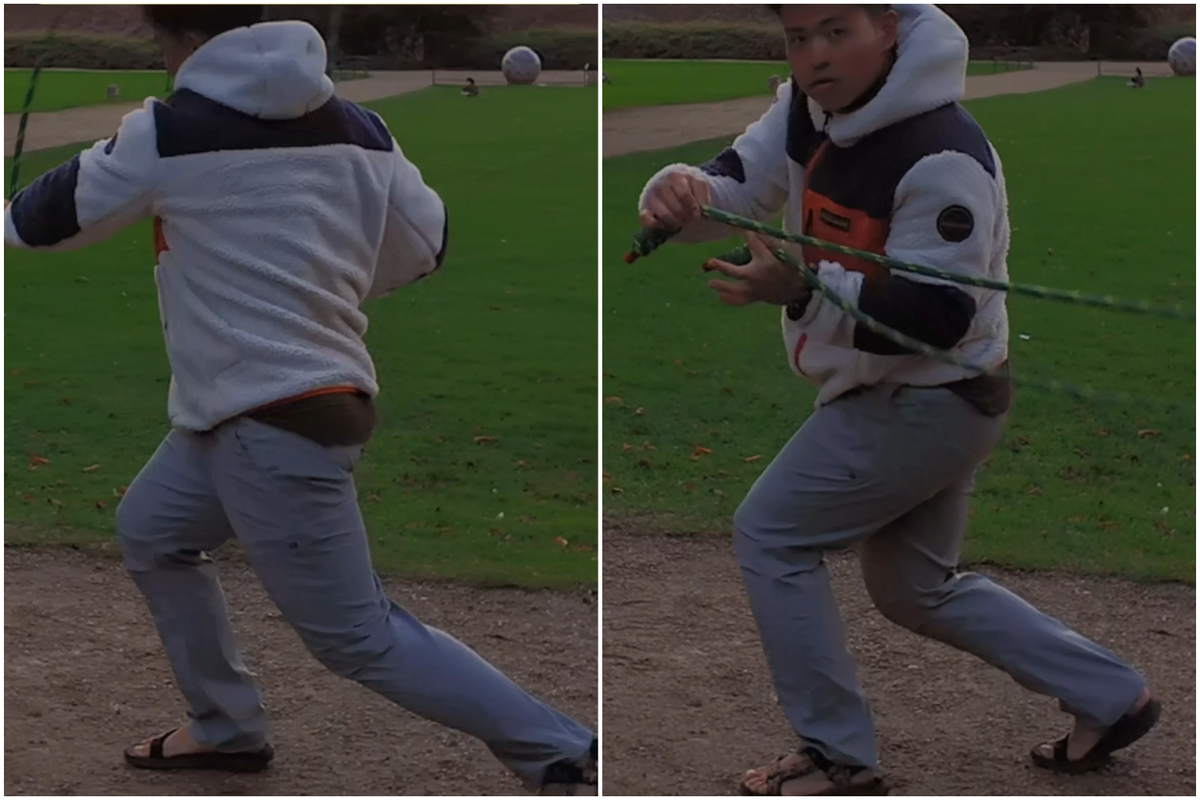
四、180來回轉身 180 Backnforth Steps
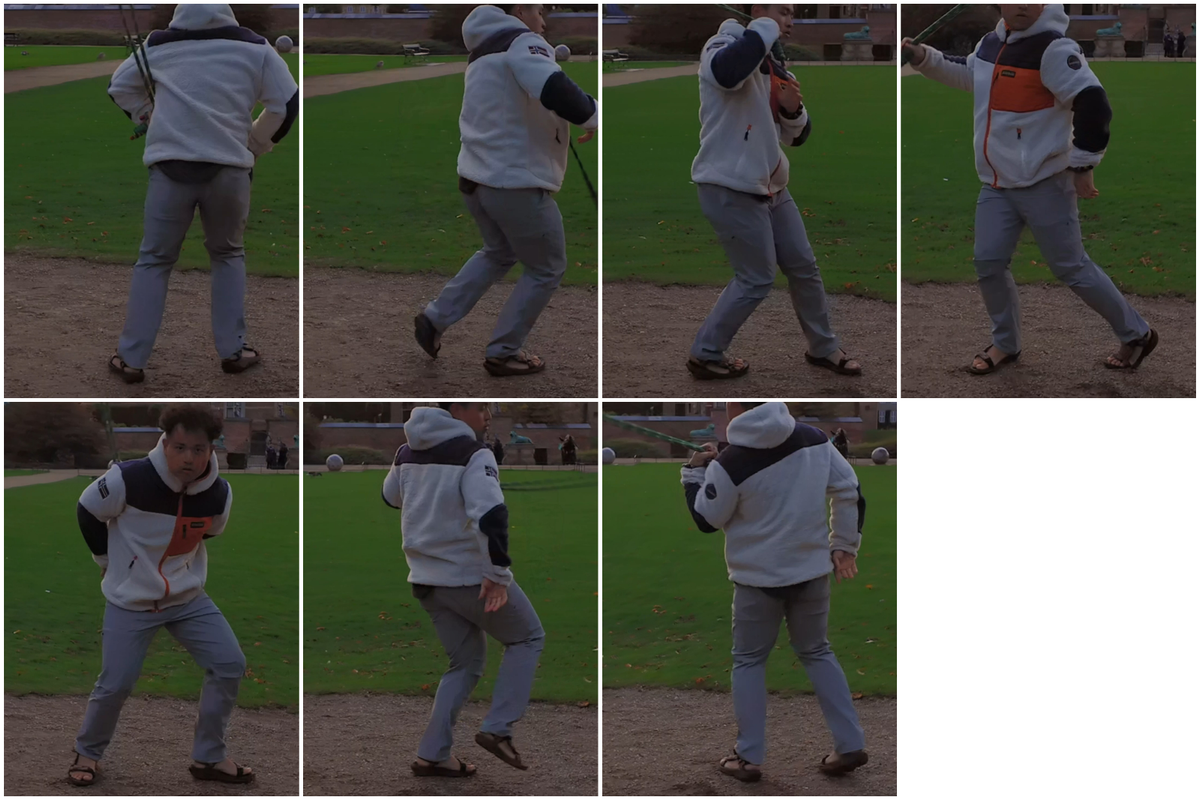
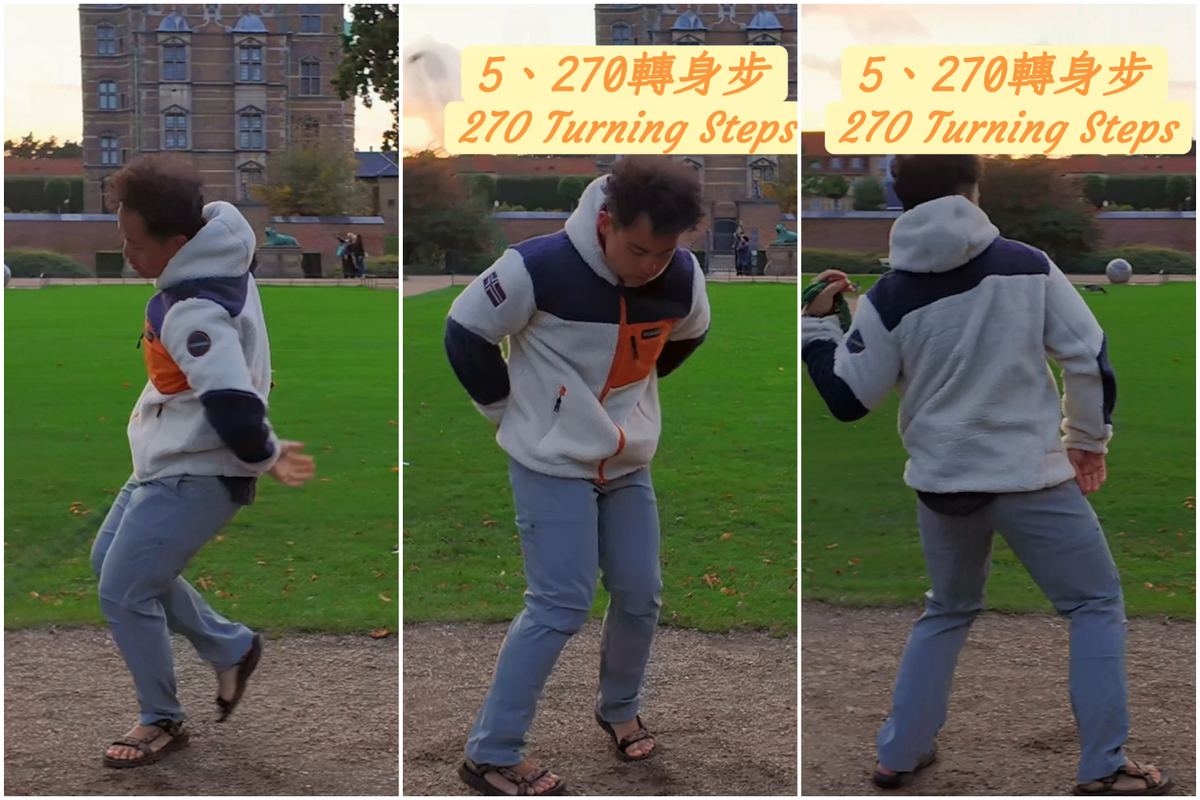
五、270轉身步 270 Turning Steps
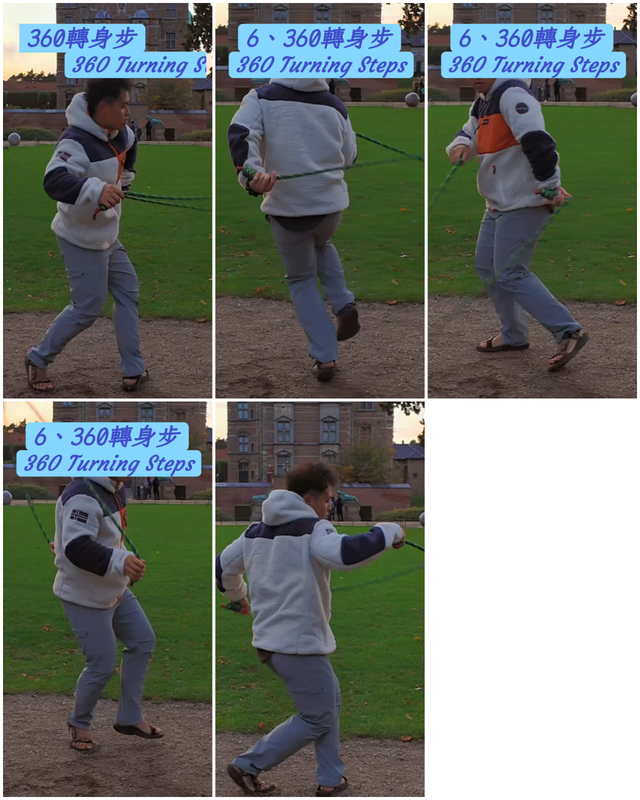
六、360轉身步 360 Turning Steps
七、180歇步轉身 180 RestingTurning Squat
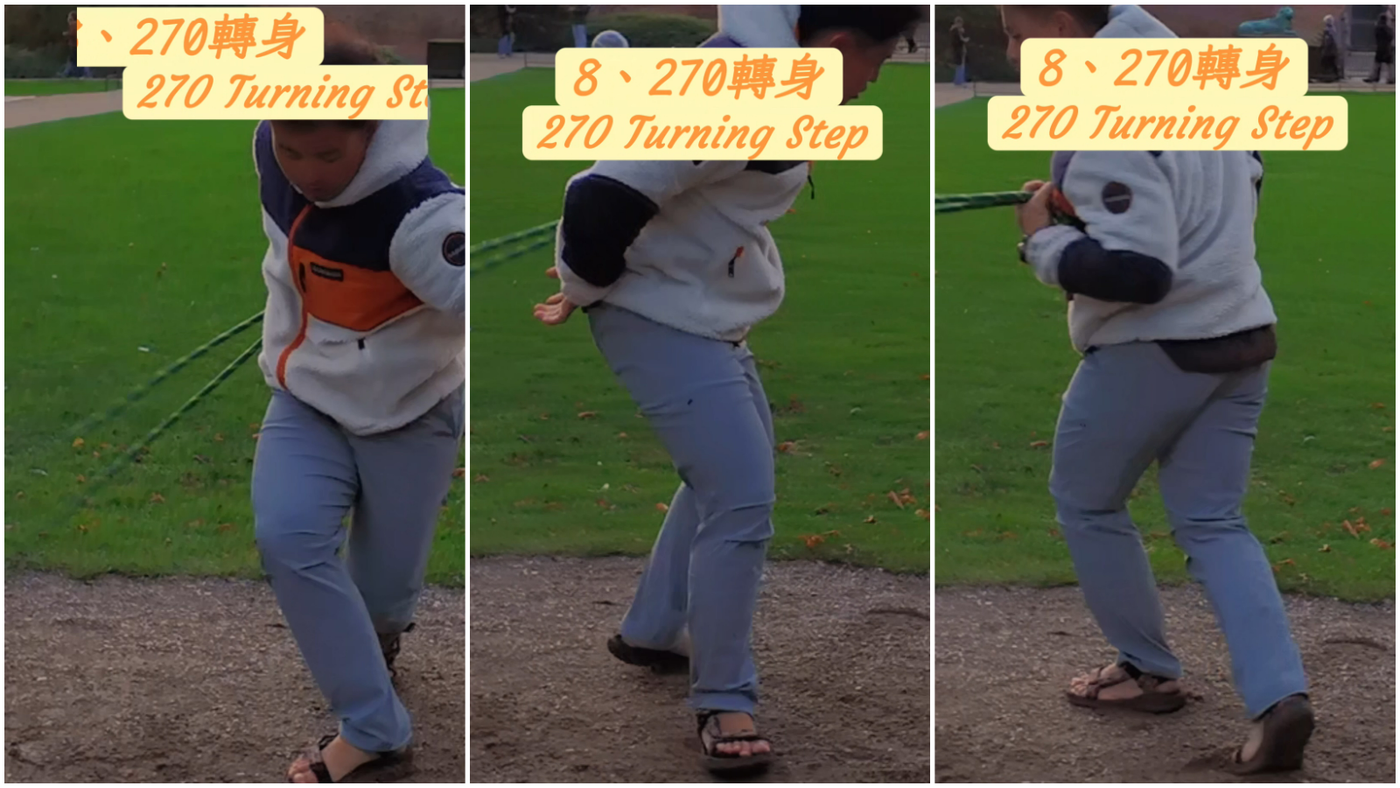
八、270轉身 270 Turning Step
影片最後一段,也有嘗試融入太極思維的練習
In the final sequence, I also explore incorporating Tai Chi internal movement principles into the flow.
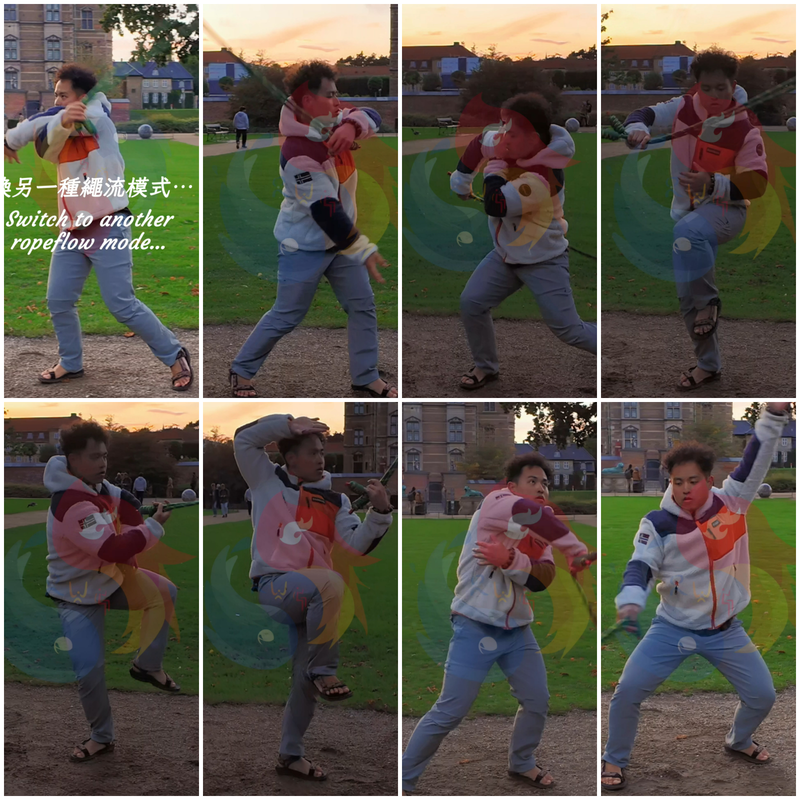
在繩流修煉中,學招固然效益匪淺,但招是學不完的,基本功卻是可以一再扎實深掘,獲得的靈活度與發力效率,能直接轉移到日常行走與各項運動表現中。
In RopeFlow practice, learning tricks is rewarding, but tricks are endless. Fundamentals, however, offer limitless depth. The mobility, stability, and force transmission efficiency you build transfer directly into daily gait and athletic performance.
🌊如果這篇文章對你有幫助,歡迎按讚、分享給對繩流、運動、協調有興趣的朋友們
🌊If this article was helpful, please like and share it with friends interested in ropeflow, sports, and coordination.
💬有任何問題,或對於螺旋肌力、繩流等流動類運動有想更了解的,歡迎留言,給我們當作未來主題的參考
💬If you have any questions, or would like to learn more about Spiral Strength System, ropeflow, or other fluid sports, please leave a comment so we can use it as a reference for future topics.
最後,如果想學習完整的繩流系統,或想提升自己的教學能力,歡迎報名RFTGA繩流教練培訓:https://forms.gle/da2f6ePYcgKDMpRp6
還沒接觸過繩流,想了解看看,或參加基本課程,歡迎私訊IG:https://www.instagram.com/ropeflowtaiwanglobal/
或直接查看Linktree是否有適合你時間地點的課程:linktr.ee/ropeflowtaiwan